FB2026_01 , released March 12, 2026
Gene: Dmel\v
Open Close
General Information
Symbol
Dmel\v
Species
D. melanogaster
Name
vermilion
Annotation Symbol
CG2155
Feature Type
FlyBase ID
FBgn0003965
Gene Model Status
Stock Availability
Enzyme Name (EC)
tryptophan 2,3-dioxygenase (1.13.11.11)
Gene Summary
vermilion (v) encodes a cytosolic heme-dependent tryptophan 2,3-dioxygenase that catalyzes the oxidative cleavage of the L-tryptophan producing N-formyl-L-kynurenine. v is involved in the production of L-kynurenine, a precursor of the eye pigment ommochromes. [Date last reviewed: 2026-02-19] (FlyBase Gene Snapshot)
Also Known As

vermillion, TDO, ver, Tryptophan 2,3-dioxygenase

Key Links
Genomic Location
Cytogenetic map
Sequence location
Recombination map
1-33
RefSeq locus
NC_004354 REGION:10923972..10925631
Sequence
Genomic Maps
Other Genome Views
The following external sites may use different assemblies or annotations than FlyBase.
Function
Gene Ontology (GO) Annotations (9 terms)
Molecular Function (3 terms)
Terms Based on Experimental Evidence (2 terms)
CV Term
Evidence
References
enables heme binding
inferred from direct assay
Terms Based on Predictions or Assertions (3 terms)
CV Term
Evidence
References
enables heme binding
inferred from biological aspect of ancestor with PANTHER:PTN000015587
inferred from electronic annotation with InterPro:IPR004981, InterPro:IPR037217
inferred from sequence or structural similarity with UniProtKB:Q17P71
inferred from electronic annotation with InterPro:IPR004981
inferred from biological aspect of ancestor with PANTHER:PTN000015587
traceable author statement
inferred from electronic annotation with InterPro:IPR037217
Biological Process (5 terms)
Terms Based on Experimental Evidence (3 terms)
CV Term
Evidence
References
inferred from mutant phenotype
inferred from direct assay
Terms Based on Predictions or Assertions (2 terms)
CV Term
Evidence
References
traceable author statement
inferred from sequence or structural similarity with UniProtKB:Q17P71
traceable author statement
Cellular Component (1 term)
Terms Based on Experimental Evidence (0 terms)
Terms Based on Predictions or Assertions (1 term)
CV Term
Evidence
References
located_in cytosol
inferred from sequence or structural similarity with UniProtKB:P48775
Gene Group (FlyBase)
Pathway (FlyBase)
Protein Family (UniProt)
Belongs to the tryptophan 2,3-dioxygenase family. (P20351)
Catalytic Activity (EC/Rhea)
L-tryptophan 2,3-dioxygenase activity
L-tryptophan + O2 = N-formyl-L-kynurenine (1.13.11.11)
RHEA 24536:
Summaries
Gene Snapshot
vermilion (v) encodes a cytosolic heme-dependent tryptophan 2,3-dioxygenase that catalyzes the oxidative cleavage of the L-tryptophan producing N-formyl-L-kynurenine. v is involved in the production of L-kynurenine, a precursor of the eye pigment ommochromes. [Date last reviewed: 2026-02-19]
Gene Group (FlyBase)
UNCLASSIFIED DIOXYGENASES -
This group comprises dioxygenases that do not classify under other groups in FlyBase.
Pathway (FlyBase)
L-TRYPTOPHAN CATABOLISM -
L-tryptophan is an essential amino acid. Besides its role in protein biosynthesis, L-tryptophan is converted in the cytosol to L-kynurenine, which is then used to synthesize eye pigment ommochromes. In addition, L-tryptophan is a precursor for the biosynthesis of neurotransmitter serotonin and melatonin. Unlike in mammals, L-tryptophan cannot be used to produce NAD(+) or catabolised to acetyl-CoA because Dmel has no homolog of kynureninase that converts L-kynurenine to 3-hydroxyanthranilate. (Adapted from FBrf0161620, FBrf0256069 and PMID:29989284.)
Protein Function (UniProtKB)
Heme-dependent dioxygenase that catalyzes the oxidative cleavage of the L-tryptophan (L-Trp) pyrrole ring and converts L-tryptophan to N-formyl-L-kynurenine. Catalyzes the oxidative cleavage of the indole moiety (PubMed:23333332). Required during larval growth to control the level of potentially harmful free tryptophan in the hemolymph. In the adult the same reaction is the first step in the ommochrome biosynthetic pathway (PubMed:2108317).
(UniProt, P20351)
Phenotypic Description (Red Book; Lindsley and Zimm 1992)
v: vermilion
The v+ gene, expressed in the eyes, fat body, and Malpighian tubules of the wild type (Nissani, 1975, Genet. Res. 26: 63-72), is believed to code for the enzyme tryptophane oxidase (also known as tryptophane pyrrolase)(EC 1.3.11.11), a 150,000 dalton protein that catalyzes the conversion of tryptophane into N-formylkynurenine. The eye color of v mutants is bright scarlet owing to absence of brown ommochrome; ocelli are colorless. Flies with the mutant combination y;w have white eyes. The eye color is wild type in genetically v eyes of gynandromorphs mosaic for wild type and v tissue (Sturtevant, 1932), indicating the non-autonomous nature of the vermilion gene. v eye disks develop wild-type pigmentation when transplanted into wild-type larvae (Beadle and Ephrussi, 1936). yw nuclei from preblastoderm stages implanted into the posterior end of a fertilized v;bw egg can produce a mosaic fly with brown eyes (Zalokar, 1973, Dev. Biol. 32: 189-93). The diffusuble v+ hormone of Beadle and Ephrussi involved in mosaic and transplantation experiments has been identified as kynurenine (Butenandt, Weidel, and Becker, 1940, Naturwissenschaften 28: 63-64). Activity of the inducible enzyme tryptophane oxidase is absent in v mutants (Baglioni, 1959, 1960). As a result, nonprotein tryptophane is accumulated in vermilion flies (Green, 1959) rather than converted into N-formylkynurenine and then into formic acid and kynurenine. In mutant larvae tryptophane in the fat body is not converted into kynurenine (Rizki, 1963; Rizki and Rizki, 1968). Certain v alleles (v1, v2, and vk) are suppressed by mutations at the su(s) locus; these mutants show wild-type eye color, fail to accumulate nonprotein tryptophane, and partially restore tryptophane oxidase activity in spite of the mutation at v (Schultz and Bridges, 1932; Green, 1952; Baglioni, 1960; Shapard, 1960; Kaufman, 1962; Marzluf, 1965; Tartof, 1969; Jacobson et al., 1982); other v alleles (v36f, v48a, v51a, v51b, v51c, and vE1) show no change in the mutant eye color with these su(s) alleles and little or no increase in tryptophane oxidase activity (small increase observed in su(s) v36f flies). Some brown pigment is formed under conditions of partial starvation in suppressed v mutants (Tatum and Beadle, 1938; Shapard, 1960), but starvation has no effect on unsuppressed v alleles.
Gene Model and Products
Number of Transcripts
1
Number of Unique Polypeptides
1

Please see the JBrowse view of Dmel\v for information on other features

To submit a correction to a gene model please use the Contact FlyBase form

Protein Domains (via Pfam)
Isoform displayed:
Pfam protein domains
InterPro name
classification
start
end
Protein Domains (via SMART)
Isoform displayed:
SMART protein domains
InterPro name
classification
start
end
Structure
Protein 3D structure   (Predicted by AlphaFold)   (AlphaFold entry P20351)

If you don't see a structure in the viewer, refresh your browser.
Model Confidence:
  • Very high (pLDDT > 90)
  • Confident (90 > pLDDT > 70)
  • Low (70 > pLDDT > 50)
  • Very low (pLDDT < 50)

AlphaFold produces a per-residue confidence score (pLDDT) between 0 and 100. Some regions with low pLDDT may be unstructured in isolation.

Experimentally Determined Structures
Crossreferences
PDB - An information portal to biological macromolecular structures
Comments on Gene Model

Gene model reviewed during 5.45

Transcript Data
Annotated Transcripts
Name
FlyBase ID
RefSeq ID
Length (nt)
Assoc. CDS (aa)
FBtr0073386
1305
379
Additional Transcript Data and Comments
Reported size (kB)

1.4 (northern blot)

1.4 (unknown)

Comments
External Data
Crossreferences
Polypeptide Data
Annotated Polypeptides
Name
FlyBase ID
Predicted MW (kDa)
Length (aa)
Theoretical pI
UniProt
RefSeq ID
GenBank
FBpp0073242
44.4
379
5.72
Polypeptides with Identical Sequences

There is only one protein coding transcript and one polypeptide associated with this gene

Additional Polypeptide Data and Comments
Reported size (kDa)
Comments
External Data
Subunit Structure (UniProtKB)

Homotetramer. Dimer of dimers.

(UniProt, P20351)
Crossreferences
InterPro - A database of protein families, domains and functional sites
PDB - An information portal to biological macromolecular structures
Linkouts
Sequences Consistent with the Gene Model
Nucleotide / Polypeptide Records
 
Mapped Features

Click to get a list of regulatory features (enhancers, TFBS, etc.) and gene disruptions (point mutations, indels, etc.) within or overlapping Dmel\v using the Feature Mapper tool.

External Data
Crossreferences
Eukaryotic Promoter Database - A collection of databases of experimentally validated promoters for selected model organisms.
Linkouts
Expression Data
Testis-specificity index

The testis specificity index was calculated from modENCODE tissue expression data by Vedelek et al., 2018 to indicate the degree of testis enrichment compared to other tissues. Scores range from -2.52 (underrepresented) to 5.2 (very high testis bias).

-0.73

Transcript Expression
No Assay Recorded
Stage
Tissue/Position (including subcellular localization)
Reference
in situ
Stage
Tissue/Position (including subcellular localization)
Reference
northern blot
Stage
Tissue/Position (including subcellular localization)
Reference
Additional Descriptive Data

The 1.4kb v transcript is first detected in 12-24hr embryos. Levels remain relatively constant throughout larval development, although a higher level is observed in early third instar than in late third instar larvae. A dramatic decline is seen in the pupal stage and relatively high levels are again detected in 2 to 3 day old adults.

v transcripts are expressed at about 5% of the level of wild type in the v1 mutant.

v+37 transcripts are expressed in adults at a level sufficient to give a wild type phenotype. They are expressed at a level comparabe to that of vk transcripts in a su(s)6 vk genotype which is about 24% of the wild type v transcript level. In a su(s)38 or su(s)35 background the levels of v+37 transcripts are raised to 59% and 50% of wild type, respectively.

Marker for
 
Subcellular Localization
CV Term
Polypeptide Expression
Additional Descriptive Data
Marker for
 
Subcellular Localization
CV Term
Evidence
References
Expression Deduced from Reporters
High-Throughput Expression Data
Associated Tools

JBrowse - Visual display of RNA-Seq signals

View Dmel\v in JBrowse
RNA-Seq by Region - Search RNA-Seq expression levels by exon or genomic region
Reference
See Gelbart and Emmert, 2013 for analysis details and data files for all genes.
Developmental Proteome: Life Cycle
Developmental Proteome: Embryogenesis
External Data and Images
Linkouts
BDGP expression data - Patterns of gene expression in Drosophila embryogenesis
DRscDB - A single-cell RNA-seq resource for data mining and data comparison across species
EMBL-EBI Single Cell Expression Atlas - Single cell expression across species
FlyAtlas - Adult expression by tissue, using Affymetrix Dros2 array
FlyAtlas2 - A Drosophila melanogaster expression atlas with RNA-Seq, miRNA-Seq and sex-specific data
Fly-FISH - A database of Drosophila embryo and larvae mRNA localization patterns
Flygut - An atlas of the Drosophila adult midgut
Images
FlyExpress - Embryonic expression images (BDGP data)
  • Stages(s) 1-3
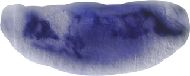
  • Stages(s) 13-16
Alleles, Insertions, Transgenic Constructs, and Aberrations
Classical and Insertion Alleles ( 762 )
For All Classical and Insertion Alleles Show
 
Other relevant insertions
Transgenic Constructs ( 24 )
For All Alleles Carried on Transgenic Constructs Show
Transgenic constructs containing/affecting coding region of v
Transgenic constructs containing regulatory region of v
Aberrations (Deficiencies and Duplications) ( 138 )
Inferred from experimentation ( 138 )
Gene disrupted in
Inferred from location ( 9 )
Variants
Variant Molecular Consequences
Alleles Representing Disease-Implicated Variants
Phenotypes
For more details about a specific phenotype click on the relevant allele symbol.
Lethality
Allele
Sterility
Allele
Other Phenotypes
Allele
Phenotype manifest in
Allele
Orthologs
Human Orthologs (via DIOPT v9.1)
Species\Gene Symbol
Score
Best Score
Best Reverse Score
Alignment
Complementation?
Transgene?
Homo sapiens (Human) (1)
14 of 14
Yes
Yes
Model Organism Orthologs (via DIOPT v9.1)
Species\Gene Symbol
Score
Best Score
Best Reverse Score
Alignment
Complementation?
Transgene?
Rattus norvegicus (Norway rat) (1)
14 of 14
Yes
Yes
Mus musculus (laboratory mouse) (1)
13 of 14
Yes
Yes
Xenopus tropicalis (Western clawed frog) (1)
11 of 13
Yes
Yes
Danio rerio (Zebrafish) (2)
14 of 14
Yes
Yes
14 of 14
Yes
Yes
Caenorhabditis elegans (Nematode, roundworm) (1)
13 of 14
Yes
Yes
Anopheles gambiae (African malaria mosquito) (1)
11 of 12
Yes
Yes
Arabidopsis thaliana (thale-cress) (0)
Saccharomyces cerevisiae (Brewer's yeast) (0)
Schizosaccharomyces pombe (Fission yeast) (0)
Escherichia coli (enterobacterium) (0)
Other Organism Orthologs (via OrthoDB)
Data provided directly from OrthoDB:v. Refer to their site for version information.
Paralogs
Paralogs (via DIOPT v9.1)
Human Disease Associations
FlyBase Human Disease Model Reports
    Disease Ontology (DO) Annotations
    Models Based on Experimental Evidence ( 0 )
    Allele
    Disease
    Evidence
    References
    Potential Models Based on Orthology ( 1 )
    Human Ortholog
    Disease
    Evidence
    References
    Modifiers Based on Experimental Evidence ( 2 )
    Disease Associations of Human Orthologs (via DIOPT v9.1 and OMIM)
    Note that ortholog calls supported by only 1 or 2 algorithms (DIOPT score < 3) are not shown.
    Homo sapiens (Human)
    Gene name
    Score
    OMIM
    OMIM Phenotype
    DO term
    Complementation?
    Transgene?
    Functional Complementation Data
    Functional complementation data is computed by FlyBase using a combination of the orthology data obtained from DIOPT and OrthoDB and the allele-level genetic interaction data curated from the literature.
    Interactions
    Summary of Physical Interactions
    Interaction Browsers

    Please see the Physical Interaction reports below for full details
    protein-protein
    Physical Interaction
    Assay
    References
    Summary of Genetic Interactions
    Interaction Browsers

    Please look at the allele data for full details of the genetic interactions
    Starting gene(s)
    Interaction type
    Interacting gene(s)
    Reference
    Starting gene(s)
    Interaction type
    Interacting gene(s)
    Reference
    External Data
    Subunit Structure (UniProtKB)
    Homotetramer. Dimer of dimers.
    (UniProt, P20351 )
    Linkouts
    BioGRID - A database of protein and genetic interactions.
    DroID - A comprehensive database of gene and protein interactions.
    MIST (genetic) - An integrated Molecular Interaction Database
    Pathways
    Signaling Pathways (FlyBase)
    Metabolic Pathways
    External Links
    KEGG Metabolic Pathways - A collection of manually drawn metabolic pathway maps representing knowledge of molecular interaction, reaction and relation networks.
    Reactome Metabolic Pathways - An open-source, open access, manually curated and peer-reviewed metabolic pathway database.
    External Data
    Linkouts
    KEGG Pathways - A collection of manually drawn pathway maps representing knowledge of molecular interaction, reaction and relation networks.
    Reactome - An open-source, open access, manually curated and peer-reviewed pathway database.
    Class of Gene
    Genomic Location and Detailed Mapping Data
    Chromosome (arm)
    X
    Recombination map
    1-33
    Cytogenetic map
    Sequence location
    FlyBase Computed Cytological Location
    Cytogenetic map
    Evidence for location
    9F11-9F11
    Limits computationally determined from genome sequence between P{EP}sesBEP319&P{EP}ImpEP760 and P{EP}EP1321EP1321&P{EP}CG2061EP1537
    Experimentally Determined Cytological Location
    Cytogenetic map
    Notes
    References
    Cytogenetic location of 10A1--10A2 based on known data for C901, v and sev, previous data described in FBrf0073632, and comparison with the physical map (Release 5.8).
    10A1-10A2
    (determined by in situ hybridisation)
    10A-10A
    (determined by in situ hybridisation)
    Experimentally Determined Recombination Data
    Notes
    Stocks and Reagents
    Stocks (28,127)
    Genomic Clones (9)
     

    Please Note FlyBase no longer curates genomic clone accessions so this list may not be complete

    cDNA Clones (11)
     

    Please Note This section lists cDNAs and ESTs that fall within the genomic extent of the gene model, which may include cDNAs and ESTs of genes within introns, or of overlapping genes. Please see JBrowse for alignment of the cDNAs and ESTs to the gene model.

    cDNA clones, fully sequenced
    BDGP DGC clones
    Other clones
    Drosophila Genomics Resource Center cDNA clones

    For each fully sequenced cDNA the DGRC maintains various forms of the cDNA (e.g tagged or untagged) in several different host vectors for subsequent cloning and expression in Drosophila and Drosophila cell lines.

    cDNA Clones, End Sequenced (ESTs)
    BDGP DGC clones
    RNAi and Array Information
    Linkouts
    DRSC - Results frm RNAi screens
    Antibody Information
    Laboratory Generated Antibodies
     
    Commercially Available Antibodies
     
    Cell Line Information
    Publicly Available Cell Lines
     
      Other Stable Cell Lines
       
        Other Comments

        Two regions, -300bp to -600bp and -60bp to-160bp, are important for maximal levels of expression in adults. Larval expression is fat body specific; expression depends on sequences between +19 and +36. This downstream element can be functionally replaced by a TATA box in vivo. When added to the wild type v promoter, a TATA element augments the level of v transcription by three to five fold.

        The eye color of v1 mutants is bright scarlet owing to absence of brown ommochrome; ocelli are colorless. Flies with the mutant combination v1; bw1 have white eyes. Though v1, v2 and vk are suppressed by mutations at the su(s) locus (FBrf0002306; FBrf0008670; FBrf0013364; FBrf0013329; FBrf0014641; FBrf0017063; FBrf0020623; FBrf0064831), other v alleles (v36f, v48a, v51a, v51b, v51c and vE1) show no change in the mutant eye color with su(s) alleles and little or no increase in tryptophane oxidase activity (small increase observed in su(s) v36f flies). Starvation has no effect on eye color of unsuppressed v alleles.

        Suppressor and reversion mutations exert an effect on pre-mRNA splicing.

        Lesions in v block pigmentation in the eye, ocelli, tubule and fat body.

        v pr mutants are able to synthesize xanthurenic acid 8-glucoside when fed with xanthuretic acid. The activity required for this synthesis via xanthuretic acid has been defined.

        Certain v alleles (v1, v2 and vk) are suppressed by mutations at the su(s) locus; these mutants show wild-type eye color.

        v alleles suppressed by mutation at the su(s) locus fail to accumulate nonprotein tryptophane and partially restore tryptophane oxidase activity in spite of the mutation at v.

        v1 has been reverted by microinjection of wild-type DNA.

        y1 w1 nuclei from preblastoderm stages implanted into the posterior end of a fertilized v1; bw1 egg can produce a mosaic fly with brown eyes.

        Hereditary reversion of the eye color of v mutants to that of wild-type flies has been achieved by treatment of eggs with DNA.

        In mutant larvae tryptophane in the fat body is not converted into kynurenine.

        v alleles suppressed by mutation at the su(s) locus fail to accumulate nonprotein tryptophane and partially restore tryptophane oxidase activity in spite of the mutation at v. Tryptophane oxidase activity is absent in v1 mutants.

        Certain v alleles (v1, v2 and vk) are suppressed by mutations at the su(s) locus; these mutants show wild-type eye color. Some brown pigment is formed under conditions of partial starvation in su(s) suppressed v mutants.

        Tryptophane oxidase activity is absent in v1 mutants.

        Nonprotein tryptophane is accumulated in v mutant flies rather than converted into N-formylkynurenine and then into formic acid and kynurenine.

        The diffusible v+ involved in mosaic and transplantation experiments has been identified as kynurenine.

        Some brown pigment is formed under conditions of partial starvation in su(s) suppressed v mutants.

        Relationship to Other Genes
        Source for database merge of
        Additional comments
        Nomenclature History
        Source for database identify of

        Source for identity of: v CG2155

        Nomenclature comments
        Etymology
        Synonyms and Secondary IDs (15)
        Reported As
        Symbol Synonym
        Secondary FlyBase IDs
          Datasets (0)
          Study focus (0)
          Experimental Role
          Project
          Project Type
          Title
          Study result (0)
          Result
          Result Type
          Title
          External Crossreferences and Linkouts ( 470 )
          Sequence Crossreferences
          NCBI Gene - Gene integrates information from a wide range of species. A record may include nomenclature, Reference Sequences (RefSeqs), maps, pathways, variations, phenotypes, and links to genome-, phenotype-, and locus-specific resources worldwide.
          GenBank Nucleotide - A collection of sequences from several sources, including GenBank, RefSeq, TPA, and PDB.
          GenBank Protein - A collection of sequences from several sources, including translations from annotated coding regions in GenBank, RefSeq and TPA, as well as records from SwissProt, PIR, PRF, and PDB.
          RefSeq - A comprehensive, integrated, non-redundant, well-annotated set of reference sequences including genomic, transcript, and protein.
          UniProt/GCRP - The gene-centric reference proteome (GCRP) provides a 1:1 mapping between genes and UniProt accessions in which a single 'canonical' isoform represents the product(s) of each protein-coding gene.
          UniProt/Swiss-Prot - Manually annotated and reviewed records of protein sequence and functional information
          UniProt/TrEMBL - Automatically annotated and unreviewed records of protein sequence and functional information
          Other crossreferences
          AlphaFold DB - AlphaFold provides open access to protein structure predictions for the human proteome and other key proteins of interest, to accelerate scientific research.
          BDGP expression data - Patterns of gene expression in Drosophila embryogenesis
          DRscDB - A single-cell RNA-seq resource for data mining and data comparison across species
          EMBL-EBI Single Cell Expression Atlas - Single cell expression across species
          FlyAtlas2 - A Drosophila melanogaster expression atlas with RNA-Seq, miRNA-Seq and sex-specific data
          FlyMine - An integrated database for Drosophila genomics
          InterPro - A database of protein families, domains and functional sites
          KEGG Genes - Molecular building blocks of life in the genomic space.
          MARRVEL_MODEL - MARRVEL (model organism gene)
          PDB - An information portal to biological macromolecular structures
          Linkouts
          BioGRID - A database of protein and genetic interactions.
          Drosophila Genomics Resource Center - Drosophila Genomics Resource Center (DGRC) cDNA clones
          DroID - A comprehensive database of gene and protein interactions.
          DRSC - Results frm RNAi screens
          Eukaryotic Promoter Database - A collection of databases of experimentally validated promoters for selected model organisms.
          FlyAtlas - Adult expression by tissue, using Affymetrix Dros2 array
          FlyCyc Genes - Genes from a BioCyc PGDB for Dmel
          Fly-FISH - A database of Drosophila embryo and larvae mRNA localization patterns
          Flygut - An atlas of the Drosophila adult midgut
          FlyMet - A comprehensive tissue-specific metabolomics resource for Drosophila.
          iBeetle-Base - RNAi phenotypes in the red flour beetle (Tribolium castaneum)
          KEGG Metabolic Pathways - A collection of manually drawn metabolic pathway maps representing knowledge of molecular interaction, reaction and relation networks.
          KEGG Pathways - A collection of manually drawn pathway maps representing knowledge of molecular interaction, reaction and relation networks.
          MIST (genetic) - An integrated Molecular Interaction Database
          Reactome - An open-source, open access, manually curated and peer-reviewed pathway database.
          Reactome Metabolic Pathways - An open-source, open access, manually curated and peer-reviewed metabolic pathway database.
          References (392)