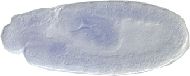
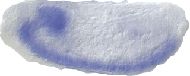
FB2025_05 , released December 11, 2025
Gene: Dmel\chinmo
Open Close
General Information
Symbol
Dmel\chinmo
Species
D. melanogaster
Name
Chronologically inappropriate morphogenesis
Annotation Symbol
CG31666
Feature Type
FlyBase ID
FBgn0086758
Gene Model Status
Stock Availability
Gene Summary
Chronologically inappropriate morphogenesis (chinmo) encodes a putative BTB-zinc finger transcription factor. It is essential for neuronal temporal patterning. It also plays a role in the regulation of eye development, tumor formation, and the self-renewal and/or sexual identity of male somatic cyst stem cells by acting downstream of JAK-STAT signaling. [Date last reviewed: 2019-03-07] (FlyBase Gene Snapshot)
Key Links
Genomic Location
Cytogenetic map
Sequence location
Recombination map
2-3
RefSeq locus
NT_033779 REGION:1651258..1704682
Sequence
Genomic Maps
Other Genome Views
The following external sites may use different assemblies or annotations than FlyBase.
Function
Gene Ontology (GO) Annotations (8 terms)
Molecular Function (0 terms)
Terms Based on Experimental Evidence (0 terms)
Terms Based on Predictions or Assertions (0 terms)
Biological Process (7 terms)
Terms Based on Experimental Evidence (6 terms)
CV Term
Evidence
References
inferred from mutant phenotype
inferred from genetic interaction with FLYBASE:lncRNA:let7C; FB:FBgn0263049
involved_in neuron development
inferred from mutant phenotype
inferred from expression pattern
Terms Based on Predictions or Assertions (1 term)
CV Term
Evidence
References
Cellular Component (1 term)
Terms Based on Experimental Evidence (1 term)
CV Term
Evidence
References
is_active_in nucleus
inferred from direct assay
Terms Based on Predictions or Assertions (1 term)
CV Term
Evidence
References
is_active_in nucleus
inferred from biological aspect of ancestor with PANTHER:PTN001135010
Protein Family (UniProt)
-
Summaries
Gene Snapshot
Chronologically inappropriate morphogenesis (chinmo) encodes a putative BTB-zinc finger transcription factor. It is essential for neuronal temporal patterning. It also plays a role in the regulation of eye development, tumor formation, and the self-renewal and/or sexual identity of male somatic cyst stem cells by acting downstream of JAK-STAT signaling. [Date last reviewed: 2019-03-07]
Gene Group (FlyBase)
C2H2 ZINC FINGER TRANSCRIPTION FACTORS -
Zinc finger C2H2 transcription factors are sequence-specific DNA binding proteins that regulate transcription. They possess DNA-binding domains that are formed from repeated Cys2His2 zinc finger motifs. (Adapted from PMID:1835093, FBrf0220103 and FBrf0155739).
Protein Function (UniProtKB)
Required for morphological differentiation of postmitotic neurons during postembryonic brain development (PubMed:17055440). Ensures production of appropriate neuron subtypes within a lineage by preventing precocious generation of late neuronal types of that lineage (PubMed:17055440). Acts as a downstream mediator of the transcriptional activator Stat92e and is required for the development of the eye-antennal disk which gives rise to the adult eye, antenna and head capsule, for transcriptional repression of the Notch receptor ligand Ser and for the self-renewal of cyst stem cells in the testis (PubMed:20412771). In the adult testis, maintains the male identify of adult somatic cyst stem cells (PubMed:25453558, PubMed:29389999). Represses expression and alternative splicing of transformer pre-mRNA, resulting in the production of the male-specific isoform of transcription factor dsx which ensures male-specific transcription of target genes (PubMed:25453558, PubMed:29389999). Plays a role in actin nuclear localization through its involvement in repressing the expression of the kinase Cdi (PubMed:26021350). This maintains the cofilin/actin-depolymerizing factor homolog tsr in its unphosphorylated state which is required for actin nuclear import (PubMed:26021350).
(UniProt, Q9VQ30)
Summary (Interactive Fly)

BTB/POZ domain transcription factor - helps specify distinct birth order-dependent cell fates in an extended neuronal lineage - regulates the time at which neuroblasts undergo Prospero-dependent cell-cycle exit or Reaper/Hid/Grim-dependent apoptosis

Gene Model and Products
Number of Transcripts
6
Number of Unique Polypeptides
2

Please see the JBrowse view of Dmel\chinmo for information on other features

To submit a correction to a gene model please use the Contact FlyBase form

Protein Domains (via Pfam)
Isoform displayed:
Pfam protein domains
InterPro name
classification
start
end
Protein Domains (via SMART)
Isoform displayed:
SMART protein domains
InterPro name
classification
start
end
Structure
Protein 3D structure   (Predicted by AlphaFold)   (AlphaFold entry Q9VQ30)

If you don't see a structure in the viewer, refresh your browser.
Model Confidence:
  • Very high (pLDDT > 90)
  • Confident (90 > pLDDT > 70)
  • Low (70 > pLDDT > 50)
  • Very low (pLDDT < 50)

AlphaFold produces a per-residue confidence score (pLDDT) between 0 and 100. Some regions with low pLDDT may be unstructured in isolation.

Experimentally Determined Structures
Crossreferences
Comments on Gene Model

Stop-codon suppression supported by data in FBrf0216884.

Gene model reviewed during 5.41

Stop-codon suppression (UAG) postulated (FBrf0210979, FlyBase analysis); supported by conservation of the extended ORF across Drosophila species (FBrf0202906).

Gene model reviewed during 5.45

Tissue-specific extension of 3' UTRs observed during later stages (FBrf0218523, FBrf0219848); all variants may not be annotated

Transcript Data
Annotated Transcripts
Name
FlyBase ID
RefSeq ID
Length (nt)
Assoc. CDS (aa)
FBtr0077878
4159
604
FBtr0077877
6019
604
FBtr0303933
6320
840
FBtr0303934
5037
840
FBtr0303935
6089
604
FBtr0307047
12385
604
Additional Transcript Data and Comments
Reported size (kB)
Comments
External Data
Crossreferences
Polypeptide Data
Annotated Polypeptides
Name
FlyBase ID
Predicted MW (kDa)
Length (aa)
Theoretical pI
UniProt
RefSeq ID
GenBank
FBpp0077546
62.2
604
7.93
FBpp0077545
62.2
604
7.93
FBpp0292933
87.1
840
5.14
FBpp0292934
62.2
604
7.93
Polypeptides with Identical Sequences

The group(s) of polypeptides indicated below share identical sequence to each other.

840 aa isoforms: chinmo-PE, chinmo-PF
Additional Polypeptide Data and Comments
Reported size (kDa)
Comments
External Data
Linkouts
Sequences Consistent with the Gene Model
Nucleotide / Polypeptide Records
 
Mapped Features

Click to get a list of regulatory features (enhancers, TFBS, etc.) and gene disruptions (point mutations, indels, etc.) within or overlapping Dmel\chinmo using the Feature Mapper tool.

External Data
Crossreferences
Eukaryotic Promoter Database - A collection of databases of experimentally validated promoters for selected model organisms.
Linkouts
Expression Data
Testis-specificity index

The testis specificity index was calculated from modENCODE tissue expression data by Vedelek et al., 2018 to indicate the degree of testis enrichment compared to other tissues. Scores range from -2.52 (underrepresented) to 5.2 (very high testis bias).

0.29

Transcript Expression
in situ
Stage
Tissue/Position (including subcellular localization)
Reference
organism

Comment: maternally deposited

antennal primordium

Comment: reported as procephalic ectoderm primordium

central brain primordium

Comment: reported as procephalic ectoderm primordium

visual primordium

Comment: reported as procephalic ectoderm primordium

dorsal head epidermis primordium

Comment: reported as procephalic ectoderm primordium

lateral head epidermis primordium

Comment: reported as procephalic ectoderm primordium

ventral head epidermis primordium

Comment: reported as procephalic ectoderm primordium

Additional Descriptive Data
Marker for
 
Subcellular Localization
CV Term
Polypeptide Expression
immunolocalization
Stage
Tissue/Position (including subcellular localization)
Reference
Additional Descriptive Data

chinmo protein is present in all of the cells of the wing disc epithelium (including the wing pouch and notum) in early third instar larval development and is down-regulated around mid L3. chinmo protein is still present at 20 hours after the L2/L3 molt but is completely absent after 30 hours. chinmo down-regulation correlates with br activation in the wing disc throughout L3. A particular isoform of br was identified as being expressed from 30 hours forward. chinmo silencing requires that larvae pass the critical weight, which normall occurs 8-12 hours after the Lw/L3 molt.

chinmo protein is localized to the nuclei of mushroom body neurons at mid-third larval instar.

Marker for
 
Subcellular Localization
CV Term
Evidence
References
is_active_in nucleus
inferred from direct assay
Expression Deduced from Reporters
High-Throughput Expression Data
Associated Tools

JBrowse - Visual display of RNA-Seq signals

View Dmel\chinmo in JBrowse
RNA-Seq by Region - Search RNA-Seq expression levels by exon or genomic region
Reference
See Gelbart and Emmert, 2013 for analysis details and data files for all genes.
Developmental Proteome: Life Cycle
Developmental Proteome: Embryogenesis
External Data and Images
Linkouts
BDGP expression data - Patterns of gene expression in Drosophila embryogenesis
DRscDB - A single-cell RNA-seq resource for data mining and data comparison across species
EMBL-EBI Single Cell Expression Atlas - Single cell expression across species
FlyAtlas - Adult expression by tissue, using Affymetrix Dros2 array
FlyAtlas2 - A Drosophila melanogaster expression atlas with RNA-Seq, miRNA-Seq and sex-specific data
Fly-FISH - A database of Drosophila embryo and larvae mRNA localization patterns
Flygut - An atlas of the Drosophila adult midgut
Images
FlyExpress - Embryonic expression images (BDGP data)
  • Stages(s) 1-3
  • Stages(s) 9-10
  • Stages(s) 11-12
  • Stages(s) 13-16
Alleles, Insertions, Transgenic Constructs, and Aberrations
Classical and Insertion Alleles ( 43 )
For All Classical and Insertion Alleles Show
 
Other relevant insertions
Transgenic Constructs ( 30 )
For All Alleles Carried on Transgenic Constructs Show
Transgenic constructs containing/affecting coding region of chinmo
Transgenic constructs containing regulatory region of chinmo
Aberrations (Deficiencies and Duplications) ( 13 )
Variants
Variant Molecular Consequences
Alleles Representing Disease-Implicated Variants
Phenotypes
For more details about a specific phenotype click on the relevant allele symbol.
Lethality
Allele
Sterility
Allele
Other Phenotypes
Allele
Phenotype manifest in
Allele
larval mushroom body & neuroblast | somatic clone
Orthologs
Human Orthologs (via DIOPT v9.1)
Species\Gene Symbol
Score
Best Score
Best Reverse Score
Alignment
Complementation?
Transgene?
Homo sapiens (Human) (34)
4 of 14
Yes
Yes
2 of 14
No
Yes
1 of 14
No
Yes
1 of 14
No
No
1 of 14
No
No
1 of 14
No
No
1 of 14
No
No
1 of 14
No
No
1 of 14
No
No
1 of 14
No
No
1 of 14
No
No
1 of 14
No
No
1 of 14
No
No
1 of 14
No
No
1 of 14
No
No
1 of 14
No
No
1 of 14
No
No
1 of 14
No
No
1 of 14
No
No
1 of 14
No
No
1 of 14
No
No
1 of 14
No
No
1  
1 of 14
No
Yes
1 of 14
No
No
1 of 14
No
No
1 of 14
No
Yes
1 of 14
No
No
1 of 14
No
No
1  
1 of 14
No
No
1 of 14
No
No
1 of 14
No
No
1 of 14
No
No
1 of 14
No
No
Model Organism Orthologs (via DIOPT v9.1)
Species\Gene Symbol
Score
Best Score
Best Reverse Score
Alignment
Complementation?
Transgene?
Rattus norvegicus (Norway rat) (20)
3 of 14
Yes
Yes
1 of 14
No
Yes
1 of 14
No
No
1 of 14
No
No
1 of 14
No
No
1 of 14
No
No
1 of 14
No
No
1 of 14
No
No
1 of 14
No
No
1 of 14
No
No
1 of 14
No
No
1 of 14
No
No
1 of 14
No
No
1 of 14
No
Yes
1 of 14
No
No
1 of 14
No
Yes
1 of 14
No
No
1 of 14
No
No
1 of 14
No
No
1 of 14
No
No
Mus musculus (laboratory mouse) (19)
2 of 14
Yes
Yes
2 of 14
Yes
Yes
1 of 14
No
Yes
1 of 14
No
No
1 of 14
No
No
1 of 14
No
No
1 of 14
No
No
1 of 14
No
No
1 of 14
No
No
1 of 14
No
No
1 of 14
No
No
1 of 14
No
No
1 of 14
No
Yes
1 of 14
No
Yes
1 of 14
No
Yes
1 of 14
No
Yes
1 of 14
No
Yes
1 of 14
No
Yes
1 of 14
No
Yes
Xenopus tropicalis (Western clawed frog) (21)
2 of 13
Yes
Yes
1 of 13
No
Yes
1 of 13
No
No
1 of 13
No
No
1 of 13
No
No
1 of 13
No
No
1 of 13
No
No
1 of 13
No
No
1 of 13
No
No
1 of 13
No
No
1 of 13
No
No
1 of 13
No
No
1 of 13
No
No
1 of 13
No
Yes
1 of 13
No
No
1 of 13
No
Yes
1 of 13
No
Yes
1 of 13
No
Yes
1 of 13
No
No
1 of 13
No
No
1 of 13
No
No
Danio rerio (Zebrafish) (23)
1 of 14
Yes
Yes
1 of 14
Yes
No
1 of 14
Yes
No
1 of 14
Yes
No
1 of 14
Yes
No
1 of 14
Yes
No
1 of 14
Yes
No
1 of 14
Yes
No
1 of 14
Yes
No
1 of 14
Yes
No
1 of 14
Yes
No
1 of 14
Yes
No
1 of 14
Yes
No
1 of 14
Yes
No
1 of 14
Yes
No
1 of 14
Yes
No
1 of 14
Yes
No
1 of 14
Yes
No
1 of 14
Yes
No
1 of 14
Yes
Yes
1 of 14
Yes
Yes
1 of 14
Yes
No
1 of 14
Yes
Yes
Caenorhabditis elegans (Nematode, roundworm) (3)
1 of 14
Yes
No
1 of 14
Yes
No
1 of 14
Yes
No
Anopheles gambiae (African malaria mosquito) (40)
12 of 12
Yes
Yes
Arabidopsis thaliana (thale-cress) (1)
1 of 13
Yes
No
Saccharomyces cerevisiae (Brewer's yeast) (0)
Schizosaccharomyces pombe (Fission yeast) (0)
Escherichia coli (enterobacterium) (0)
Other Organism Orthologs (via OrthoDB)
Data provided directly from OrthoDB:chinmo. Refer to their site for version information.
Paralogs
Paralogs (via DIOPT v9.1)
Drosophila melanogaster (Fruit fly) (31)
6 of 13
6 of 13
6 of 13
6 of 13
6 of 13
6 of 13
6 of 13
6 of 13
6 of 13
6 of 13
5 of 13
5 of 13
5 of 13
5 of 13
5 of 13
5 of 13
5 of 13
5 of 13
5 of 13
4 of 13
4 of 13
3 of 13
3 of 13
1 of 13
1 of 13
1 of 13
1 of 13
1 of 13
1 of 13
1 of 13
1 of 13
Human Disease Associations
FlyBase Human Disease Model Reports
Disease Ontology (DO) Annotations
Models Based on Experimental Evidence ( 3 )
Potential Models Based on Orthology ( 0 )
Human Ortholog
Disease
Evidence
References
Modifiers Based on Experimental Evidence ( 3 )
Allele
Disease
Interaction
References
Disease Associations of Human Orthologs (via DIOPT v9.1 and OMIM)
Note that ortholog calls supported by only 1 or 2 algorithms (DIOPT score < 3) are not shown.
Homo sapiens (Human)
Gene name
Score
OMIM
OMIM Phenotype
DO term
Complementation?
Transgene?
Functional Complementation Data
Functional complementation data is computed by FlyBase using a combination of the orthology data obtained from DIOPT and OrthoDB and the allele-level genetic interaction data curated from the literature.
Interactions
Summary of Physical Interactions
Interaction Browsers

Please see the Physical Interaction reports below for full details
RNA-protein
Physical Interaction
Assay
References
protein-protein
Physical Interaction
Assay
References
Summary of Genetic Interactions
Interaction Browsers

Please look at the allele data for full details of the genetic interactions
Starting gene(s)
Interaction type
Interacting gene(s)
Reference
Starting gene(s)
Interaction type
Interacting gene(s)
Reference
External Data
Linkouts
BioGRID - A database of protein and genetic interactions.
DroID - A comprehensive database of gene and protein interactions.
MIST (protein-protein) - An integrated Molecular Interaction Database
Pathways
Signaling Pathways (FlyBase)
Metabolic Pathways
FlyBase
External Links
External Data
Linkouts
SignaLink - A signaling pathway resource with multi-layered regulatory networks.
Class of Gene
Genomic Location and Detailed Mapping Data
Chromosome (arm)
2L
Recombination map
2-3
Cytogenetic map
Sequence location
FlyBase Computed Cytological Location
Cytogenetic map
Evidence for location
22A5-22B1
Limits computationally determined from genome sequence between P{PZ}l(2)0411104111 and P{lacW}CG17646k11021;
Experimentally Determined Cytological Location
Cytogenetic map
Notes
References
22A5-22A6
(determined by in situ hybridisation)
22A3-22A4
22A4--6 22A5--6
Experimentally Determined Recombination Data
Location
Left of (cM)
Right of (cM)
Notes
Stocks and Reagents
Stocks (86)
Genomic Clones (37)
cDNA Clones (69)
 

Please Note This section lists cDNAs and ESTs that fall within the genomic extent of the gene model, which may include cDNAs and ESTs of genes within introns, or of overlapping genes. Please see JBrowse for alignment of the cDNAs and ESTs to the gene model.

cDNA clones, fully sequenced
BDGP DGC clones
Other clones
Drosophila Genomics Resource Center cDNA clones

For each fully sequenced cDNA the DGRC maintains various forms of the cDNA (e.g tagged or untagged) in several different host vectors for subsequent cloning and expression in Drosophila and Drosophila cell lines.

cDNA Clones, End Sequenced (ESTs)
RNAi and Array Information
Linkouts
DRSC - Results frm RNAi screens
Antibody Information
Laboratory Generated Antibodies
Commercially Available Antibodies
 
Cell Line Information
Publicly Available Cell Lines
 
    Other Stable Cell Lines
     
      Other Comments

      chinmo is required autonomously to maintain the male identity of adult somatic cyst stem cells in the testis.

      DNA-protein interactions: genome-wide binding profile assayed for chinmo protein in 0-12 hr embryos; see mE1_TFBS_chinmo collection report.

      chinmo is required in only one of the six fates of the Scer\GAL4OK107-positive central complex neurons.

      Loss of chinmo causes various types of early-born neurons to adopt distinct late-born mushroom body neurons' projection patterns but exerts no effects on pupal-born mushroom body neurons.

      Relationship to Other Genes
      Source for database merge of

      Source for merge of: chinmo l(2)04111 CG31666

      Source for merge of: CG10871 CG17156

      Source for merge of: CG10871 CG17649

      Additional comments

      Annotations CG10871, CG17156 and CG17649 merged as CG31666 in release 3 of the genome annotation.

      Source for merge of CG10871 CG17156 was a shared cDNA ( date:010720 ).

      Nomenclature History
      Source for database identify of
      Nomenclature comments
      Etymology
      Synonyms and Secondary IDs (12)
      Reported As
      Symbol Synonym
      CG17649
      chinmo
      (Akai et al., 2025, Brutscher et al., 2025, Dillard et al., 2025, Gemeinhardt et al., 2025, Roach et al., 2025, Varga et al., 2025, Bernard et al., 2024, Cruz et al., 2024, Drewell et al., 2024, Eslahi et al., 2024, Miao et al., 2024, Pollex et al., 2024, Sood et al., 2024, Chafino et al., 2023, Floc'hlay et al., 2023, Huang et al., 2023, Pang et al., 2023, Titus et al., 2023, Beaver et al., 2022, Evans et al., 2022, Joseph et al., 2022, Karki et al., 2022, National Institute of Genetics Fly Stocks, 2022-, Truman and Riddiford, 2022, Pandey et al., 2021, Slaidina et al., 2021, Chen et al., 2020, Harsh et al., 2020, Hsu et al., 2020, Kinser and Pincus, 2020, Lau et al., 2020, Li and Hidalgo, 2020, Mahmud et al., 2020, Rust et al., 2020, Song and Zhou, 2020, Wu et al., 2020, Genovese et al., 2019, Hall et al., 2019, Herrera and Bach, 2019, Sapar and Han, 2019, Shokri et al., 2019, Sullivan, 2019, Tiwari et al., 2019, van den Ameele and Brand, 2019, Bischof et al., 2018, La Fortezza et al., 2018, Transgenic RNAi Project members, 2017-, Zhang et al., 2017, Chawla et al., 2016, Gallant, 2016.4.27, Narbonne-Reveau et al., 2016, Peng et al., 2016, Doggett et al., 2015, Loedige et al., 2015, Matthews et al., 2015, Nadimpalli et al., 2015, Schertel et al., 2015, Shapiro-Kulnane et al., 2015, Zhang et al., 2015, Ashwal-Fluss et al., 2014, Chen et al., 2014, Gonzalez et al., 2014, Lanet and Maurange, 2014, Ma et al., 2014, Neville et al., 2014, Xu et al., 2014, Bausek, 2013, Djiane et al., 2013, Enuameh et al., 2013, Grubbs et al., 2013, Lavagnino et al., 2013, McKay and Lieb, 2013, Wang et al., 2013, Amoyel and Bach, 2012, Japanese National Institute of Genetics, 2012.5.21, Kao et al., 2012, Matunis et al., 2012, Wu et al., 2012, Zoller and Schulz, 2012, Carreira et al., 2011, Cherbas et al., 2011, Friedman et al., 2011, Friedman et al., 2011, Jungreis et al., 2011, Kuzin et al., 2011, Nègre et al., 2011, Toku et al., 2011, Weake et al., 2011, Flaherty et al., 2010, The modENCODE Consortium, 2010, The modENCODE Consortium, 2010, Flaherty et al., 2009, Yu et al., 2009, Doe, 2006)
      l(2)04111
      Secondary FlyBase IDs
      • FBgn0082597
      • FBgn0010566
      • FBgn0051666
      • FBgn0031353
      • FBgn0031354
      • FBgn0031355
      Datasets (1)
      Study focus (1)
      Experimental Role
      Project
      Project Type
      Title
      • bait_protein
      Genome-wide localization of transcription factors by ChIP-chip and ChIP-Seq.
      Study result (0)
      Result
      Result Type
      Title
      External Crossreferences and Linkouts ( 57 )
      Sequence Crossreferences
      NCBI Gene - Gene integrates information from a wide range of species. A record may include nomenclature, Reference Sequences (RefSeqs), maps, pathways, variations, phenotypes, and links to genome-, phenotype-, and locus-specific resources worldwide.
      GenBank Nucleotide - A collection of sequences from several sources, including GenBank, RefSeq, TPA, and PDB.
      GenBank Protein - A collection of sequences from several sources, including translations from annotated coding regions in GenBank, RefSeq and TPA, as well as records from SwissProt, PIR, PRF, and PDB.
      RefSeq - A comprehensive, integrated, non-redundant, well-annotated set of reference sequences including genomic, transcript, and protein.
      UniProt/GCRP - The gene-centric reference proteome (GCRP) provides a 1:1 mapping between genes and UniProt accessions in which a single 'canonical' isoform represents the product(s) of each protein-coding gene.
      UniProt/Swiss-Prot - Manually annotated and reviewed records of protein sequence and functional information
      UniProt/TrEMBL - Automatically annotated and unreviewed records of protein sequence and functional information
      Other crossreferences
      AlphaFold DB - AlphaFold provides open access to protein structure predictions for the human proteome and other key proteins of interest, to accelerate scientific research.
      BDGP expression data - Patterns of gene expression in Drosophila embryogenesis
      DRscDB - A single-cell RNA-seq resource for data mining and data comparison across species
      EMBL-EBI Single Cell Expression Atlas - Single cell expression across species
      FlyAtlas2 - A Drosophila melanogaster expression atlas with RNA-Seq, miRNA-Seq and sex-specific data
      FlyMine - An integrated database for Drosophila genomics
      KEGG Genes - Molecular building blocks of life in the genomic space.
      MARRVEL_MODEL - MARRVEL (model organism gene)
      Linkouts
      BioGRID - A database of protein and genetic interactions.
      Drosophila Genomics Resource Center - Drosophila Genomics Resource Center (DGRC) cDNA clones
      DroID - A comprehensive database of gene and protein interactions.
      DRSC - Results frm RNAi screens
      Eukaryotic Promoter Database - A collection of databases of experimentally validated promoters for selected model organisms.
      FlyAtlas - Adult expression by tissue, using Affymetrix Dros2 array
      FlyCyc Genes - Genes from a BioCyc PGDB for Dmel
      Fly-FISH - A database of Drosophila embryo and larvae mRNA localization patterns
      Flygut - An atlas of the Drosophila adult midgut
      Interactive Fly - A cyberspace guide to Drosophila development and metazoan evolution
      MIST (protein-protein) - An integrated Molecular Interaction Database
      SignaLink - A signaling pathway resource with multi-layered regulatory networks.
      References (235)